
Innovation
Numerous studies and practical experience of traders confirm the statement "packaging sells". At TNM, we have therefore implemented a number of new, visually appealing printing techniques, some of which are the result of our own research and development.
These printing, finishing and processing options allow publishers to:
- attract readers in the bookshop shelf with an attractive cover or book processing
- accentuate the content of the book using specific processing elements
- engage additional senses when working with the book or expand the visual impression
- enhance or add new functional properties to the book
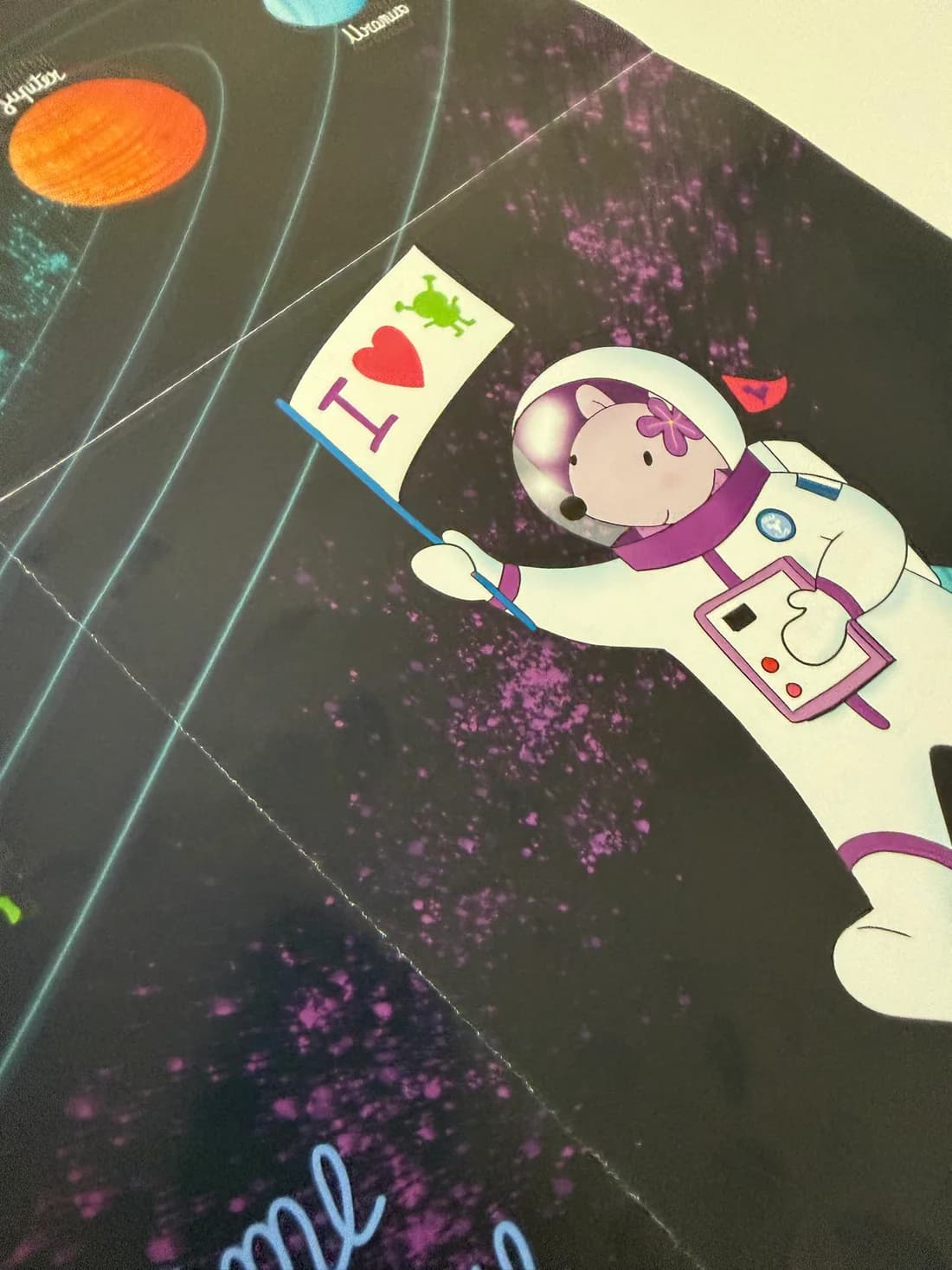
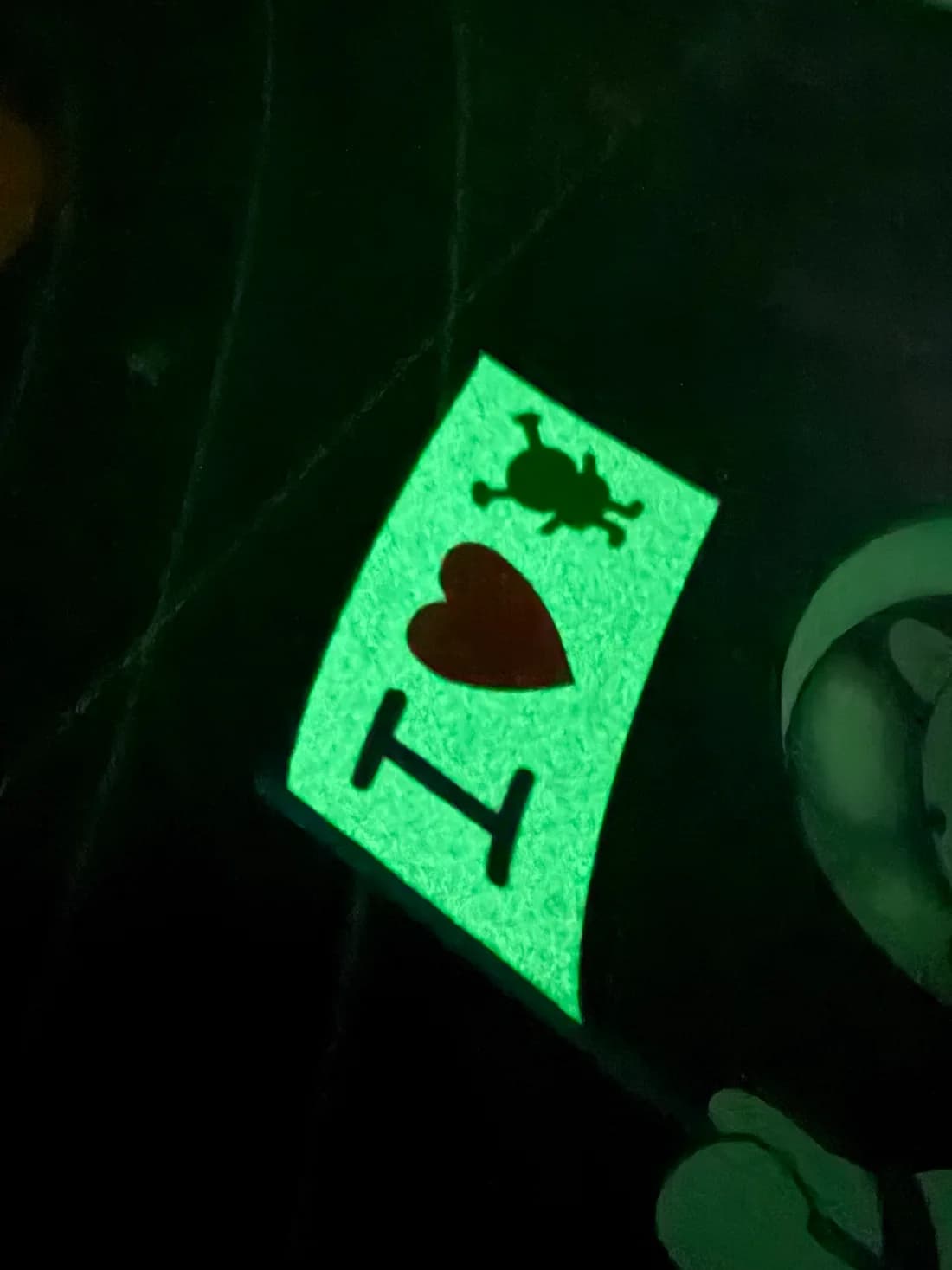
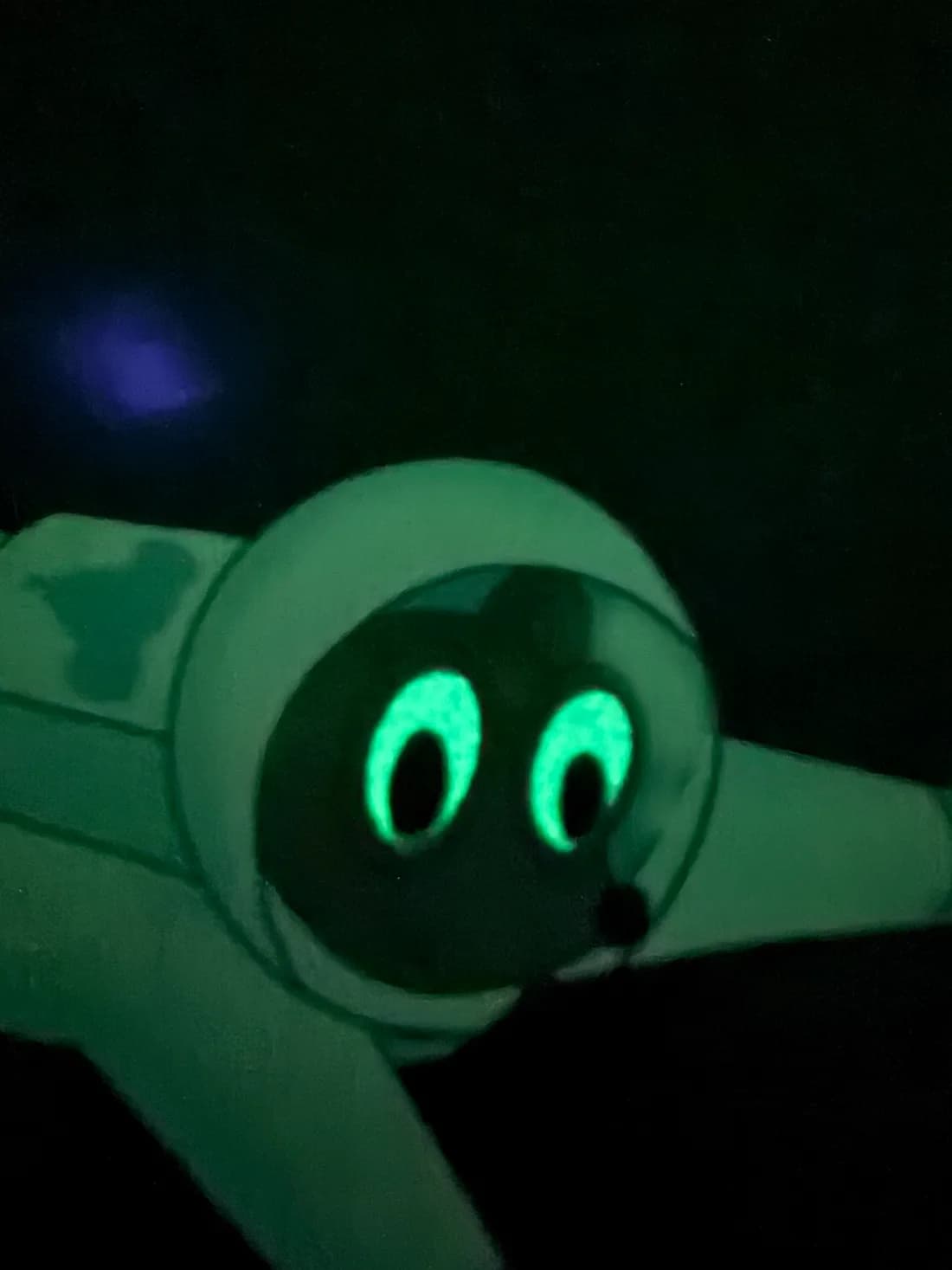
FLUORESCENT INK / VARNISH
Transparent varnish or ink that "charges" in light and then glows in dim light or darkness through a fluorescent effect. This material is very effective for book covers/cases.
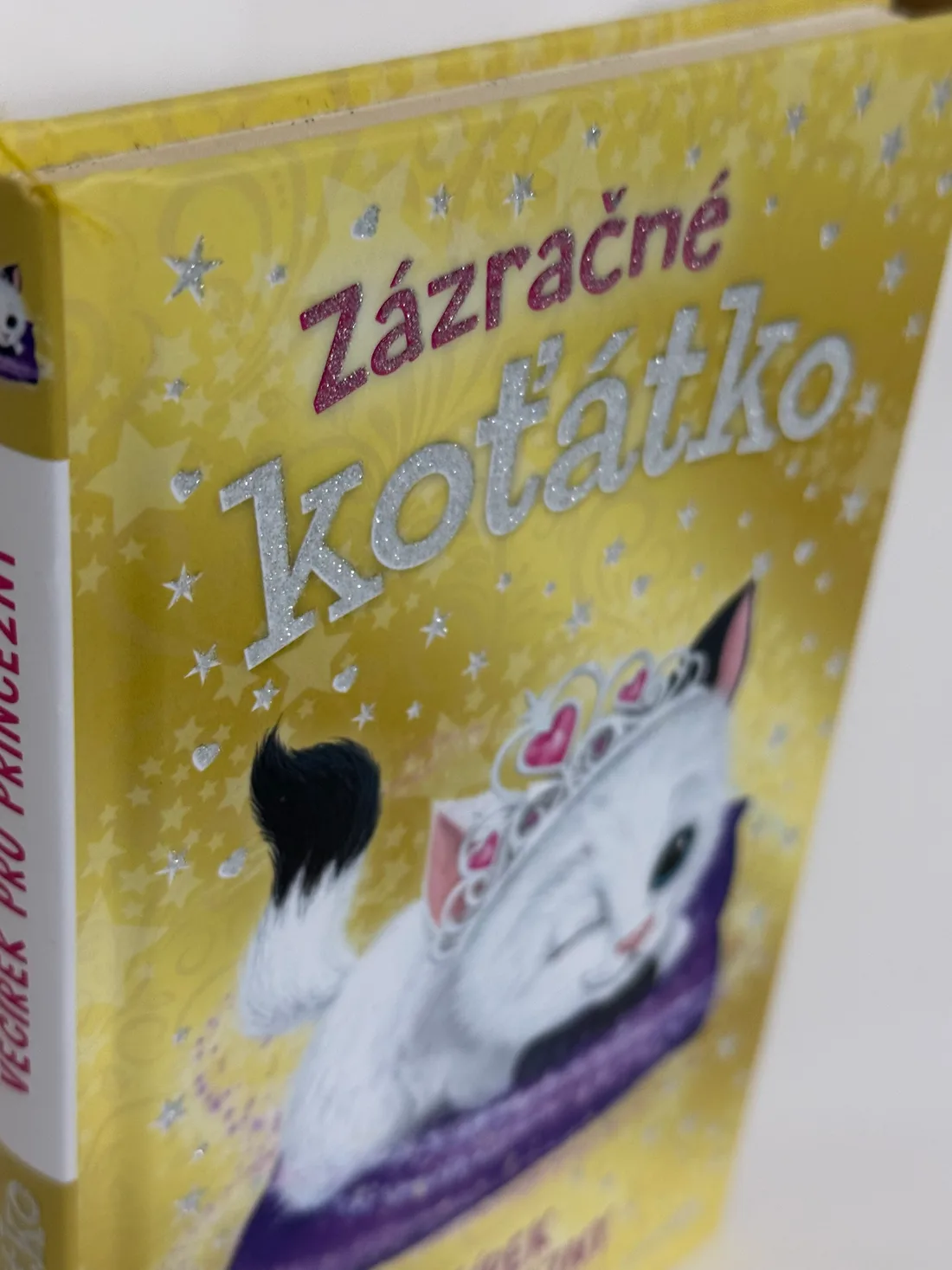
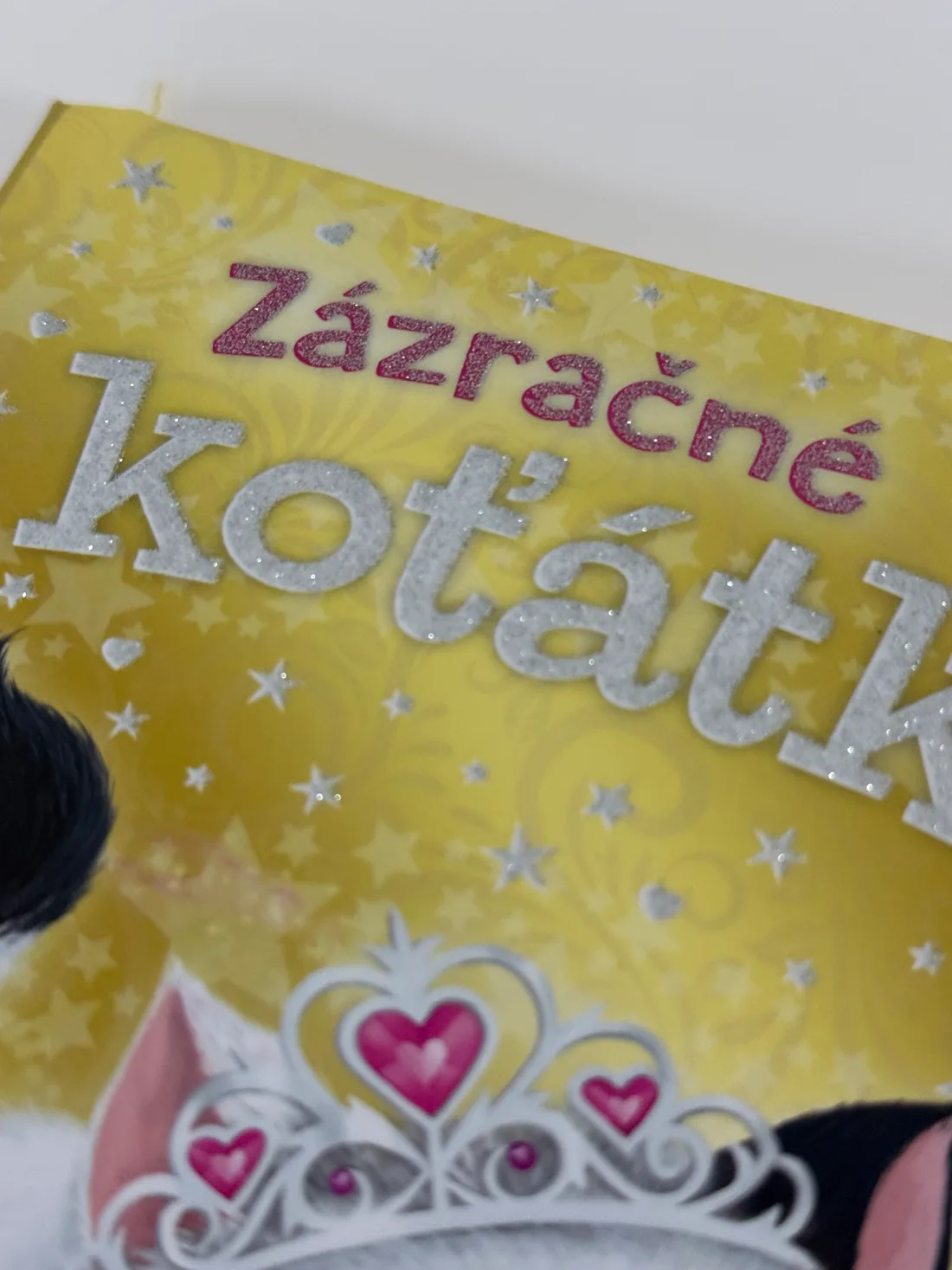
GLITTER VARNISH
This is a varnish containing dissolved miniature metallic flakes. Thanks to the refraction of light and its reflection from the surface of the flakes, a very effective three-dimensional visual effect is created, useful not only for book covers.
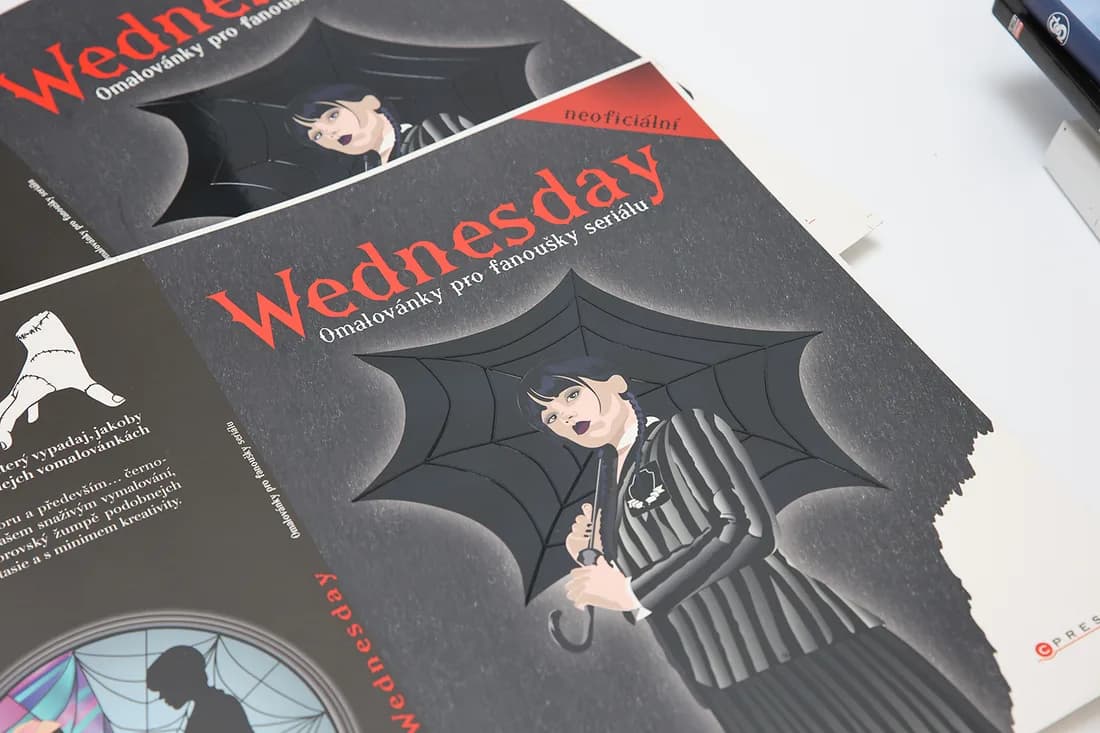
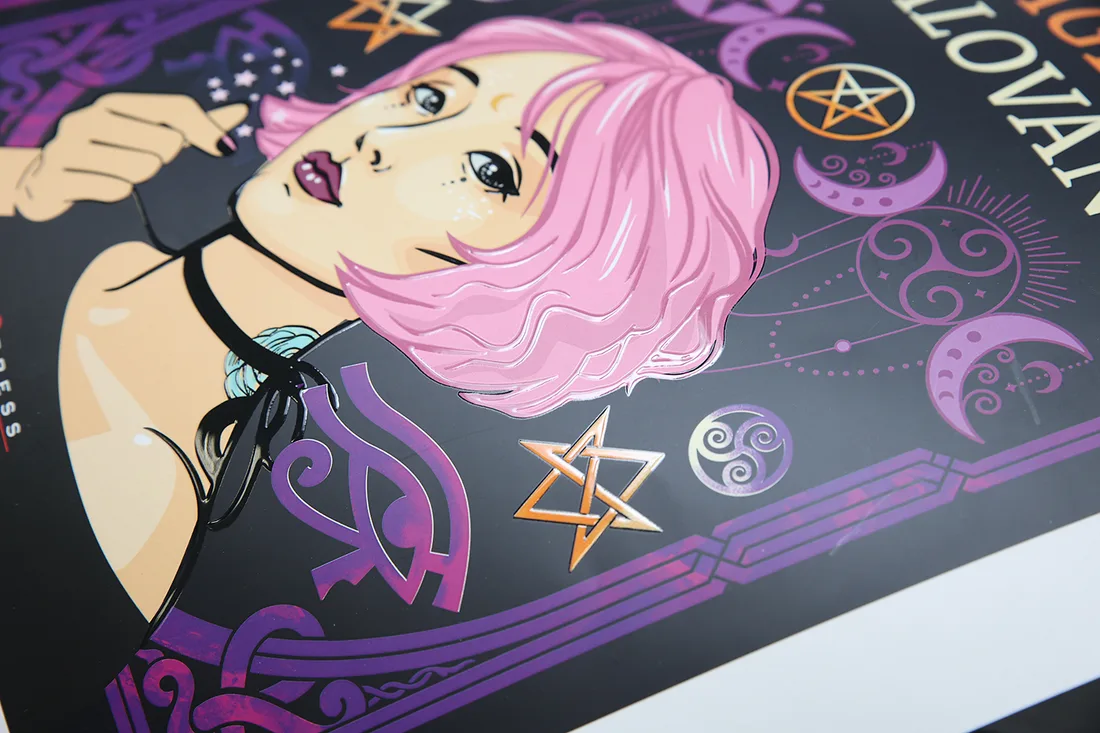
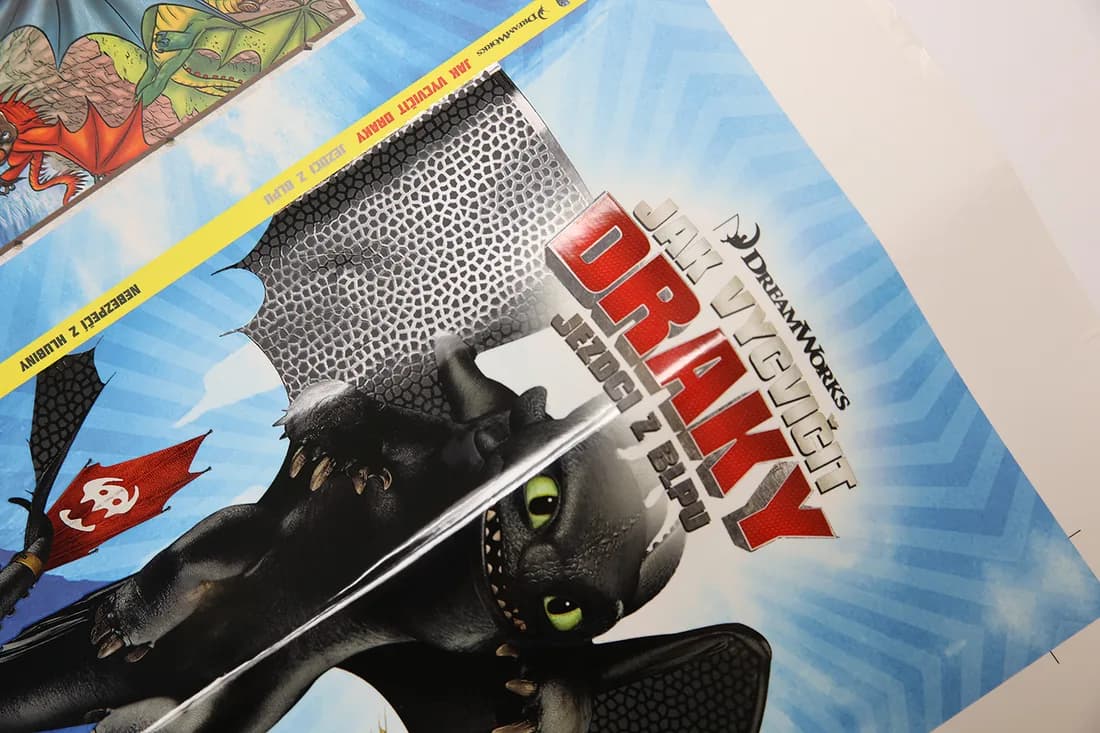
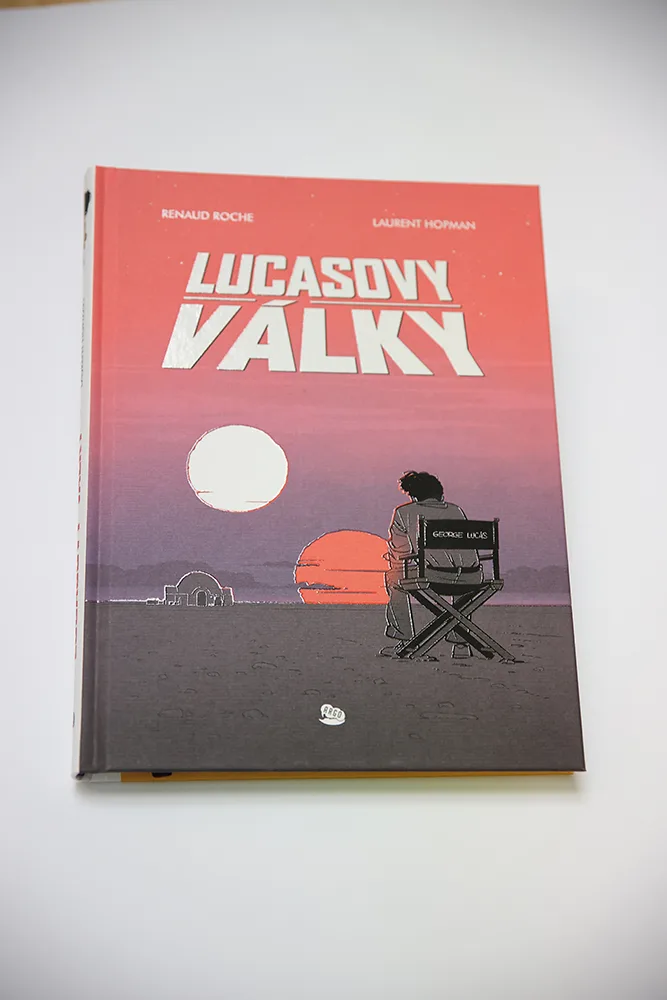
2D AND 3D SPOT VARNISH
Spot varnish is applied to the surface of the printed material only in certain areas. For interesting effects, a matte base and glossy varnish (2D) can be combined. The varnish can also be applied in a thicker layer (3D), creating haptic sensations for the reader. More in the Finishing section.
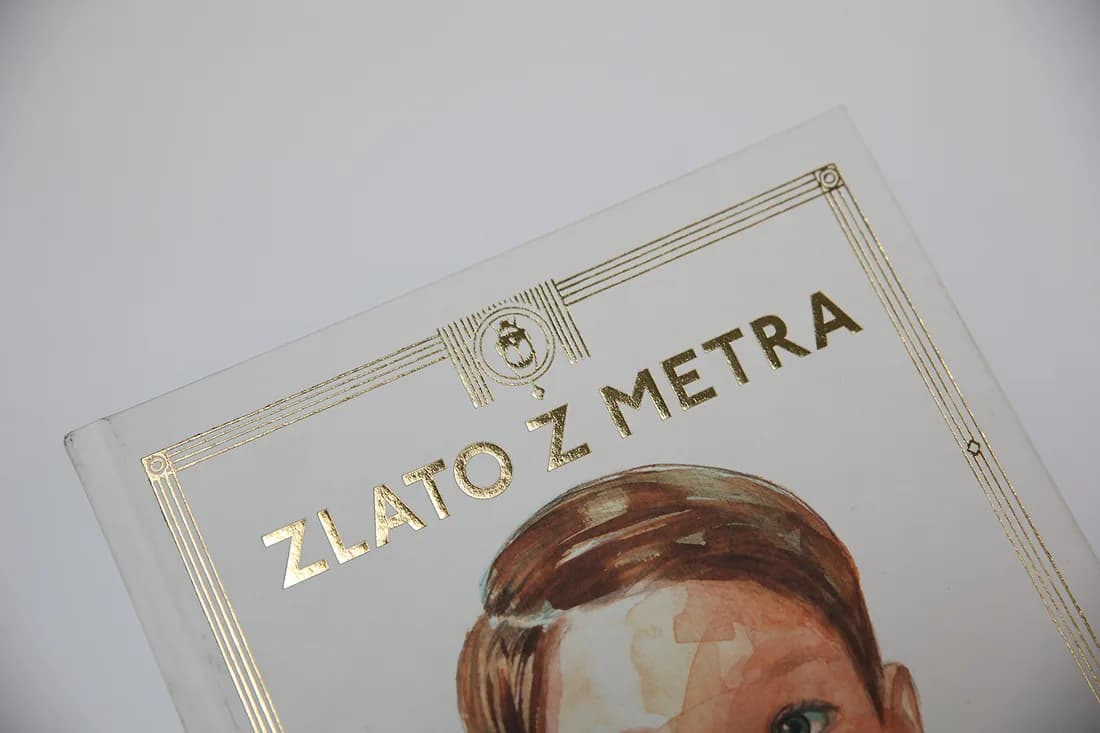
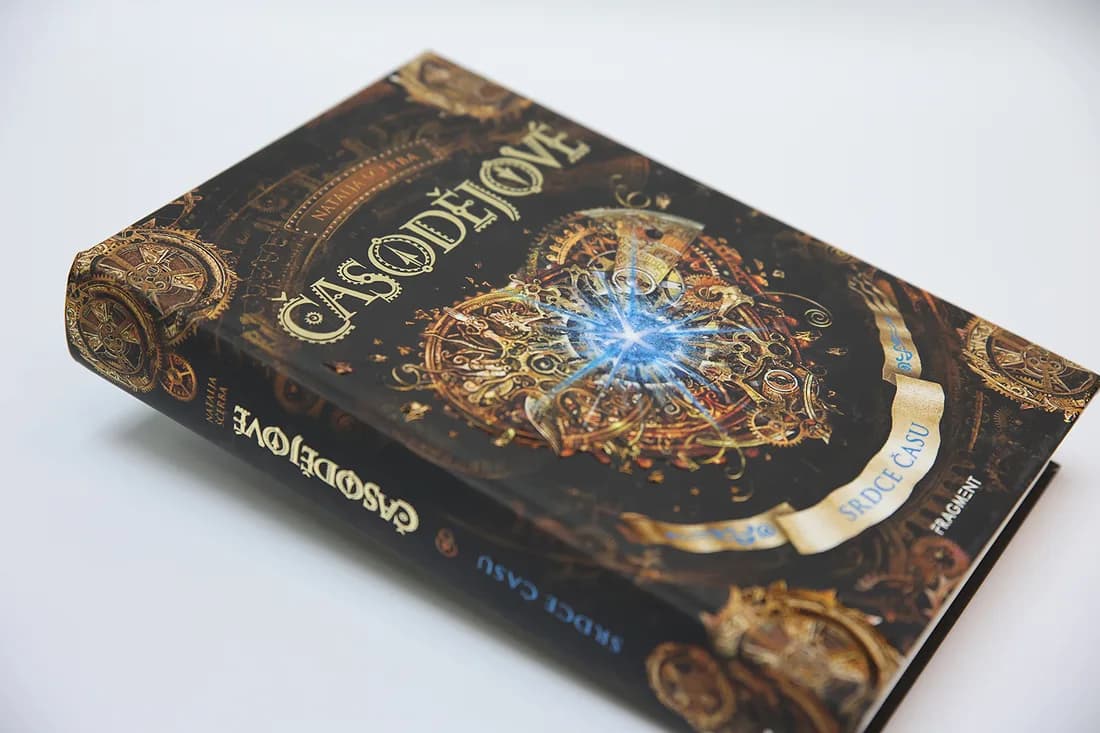
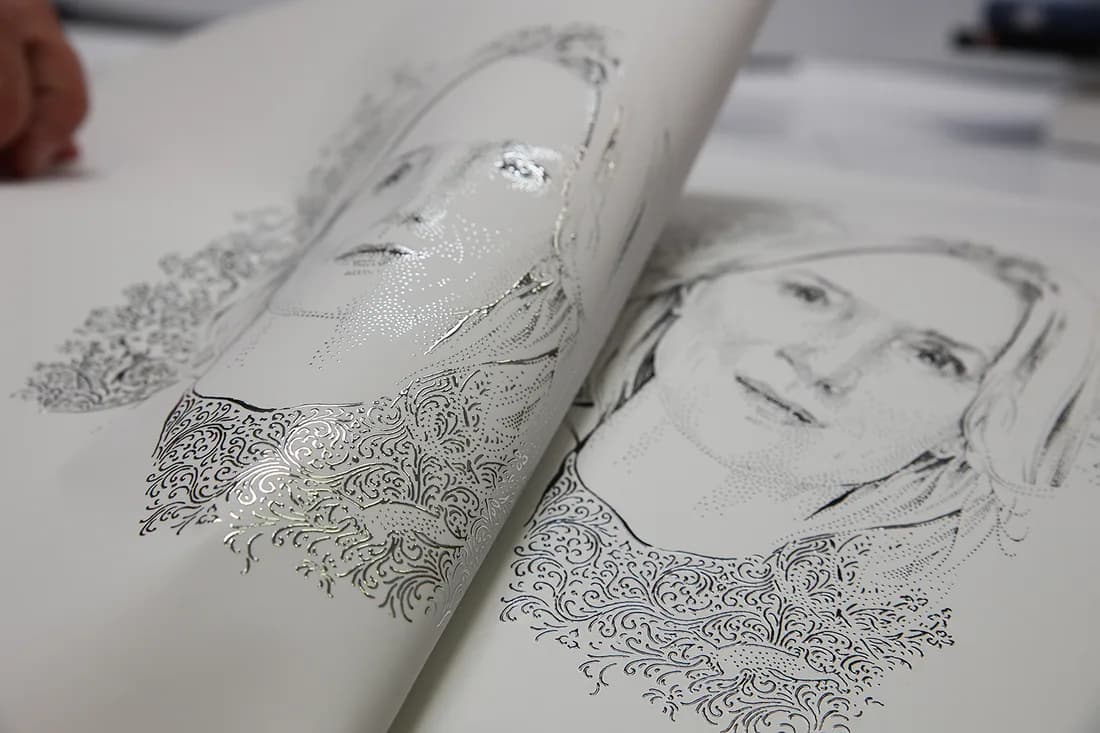
EFFECT FOIL AND HOLOGRAMS
The surface of printed materials can be coated with metalised foil with interesting patterns or holograms. These elements can be supplemented with additional spot varnish layers to multiply the visual effect. Holograms also serve a protective function.
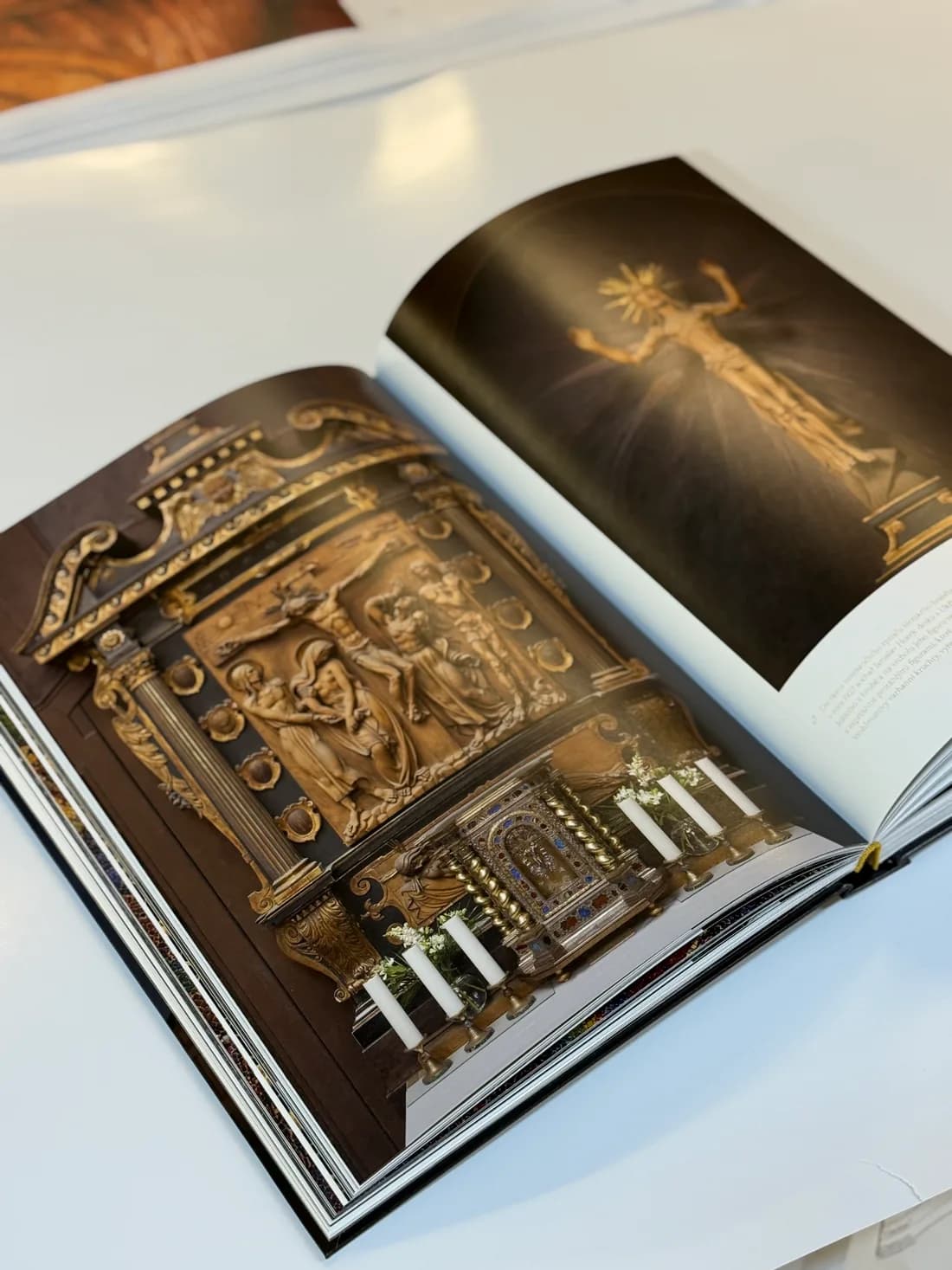
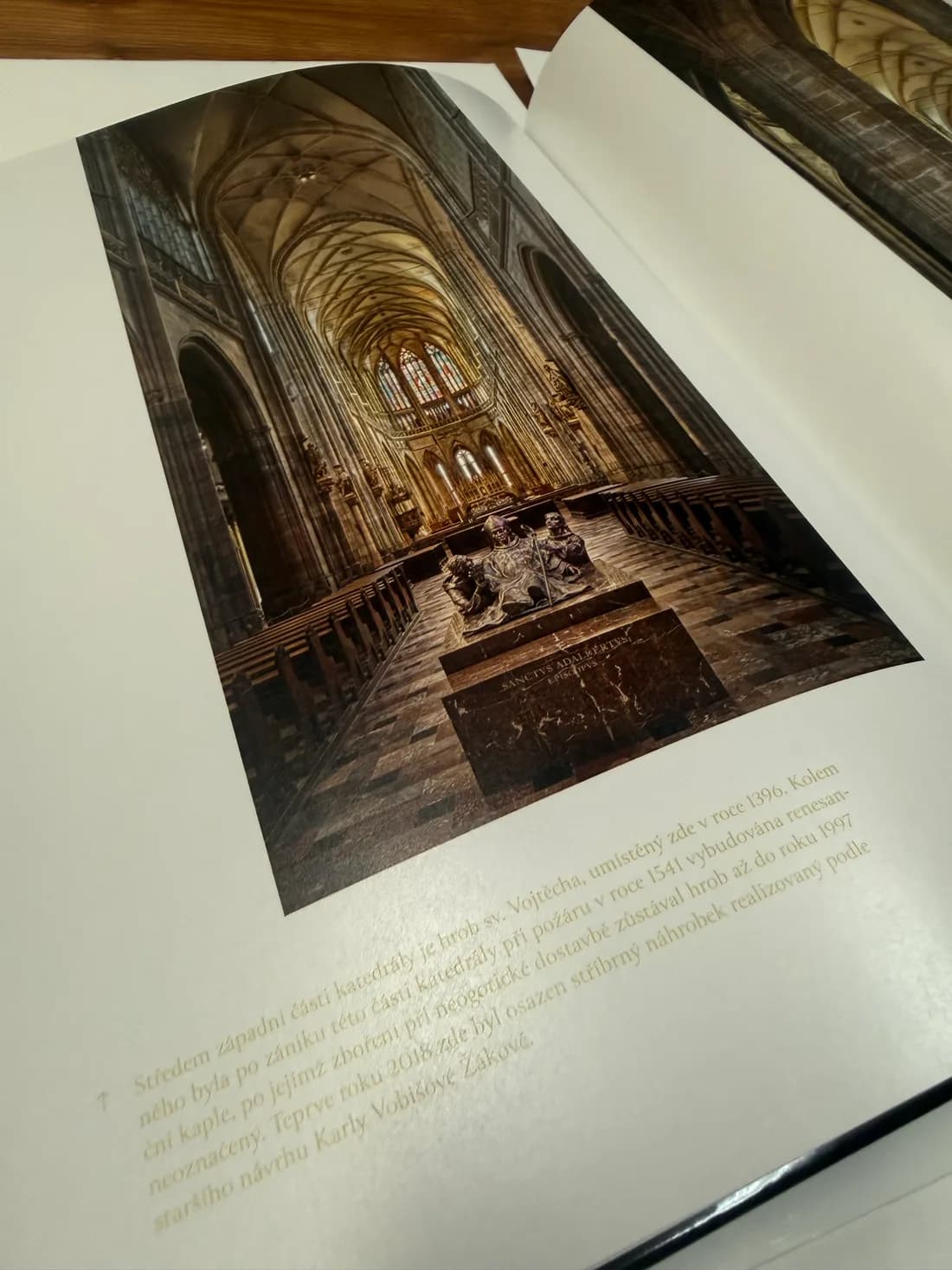
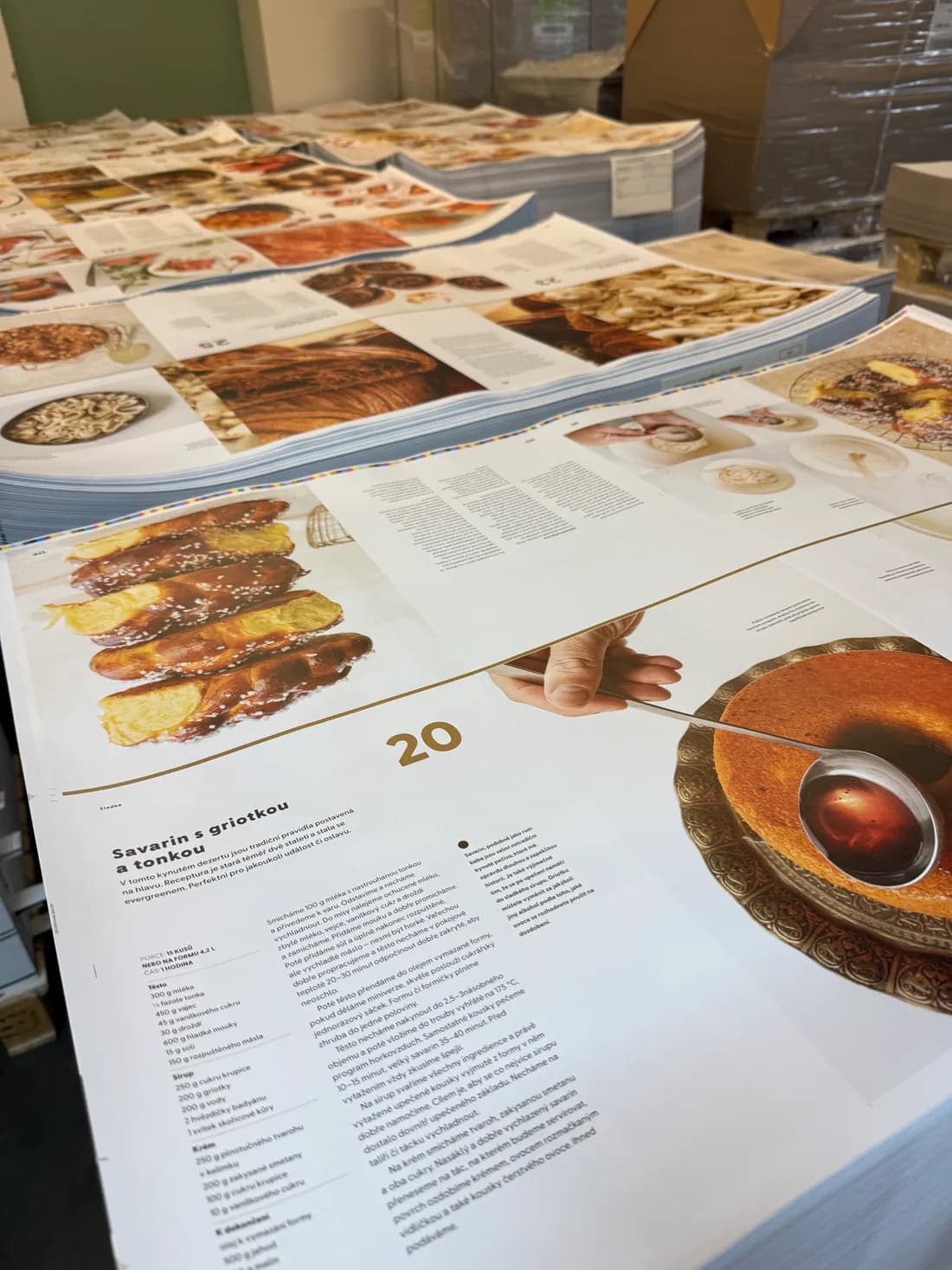
PHOTOGRAPHIC PRINTING
Offset printing that completely realistically reproduces the original is based on a combination of the latest hybrid screening and an extended printing gamut (the range of printed colour shades). This unique technique is suitable e.g. for reproduction of paintings or printing of photographic publications.
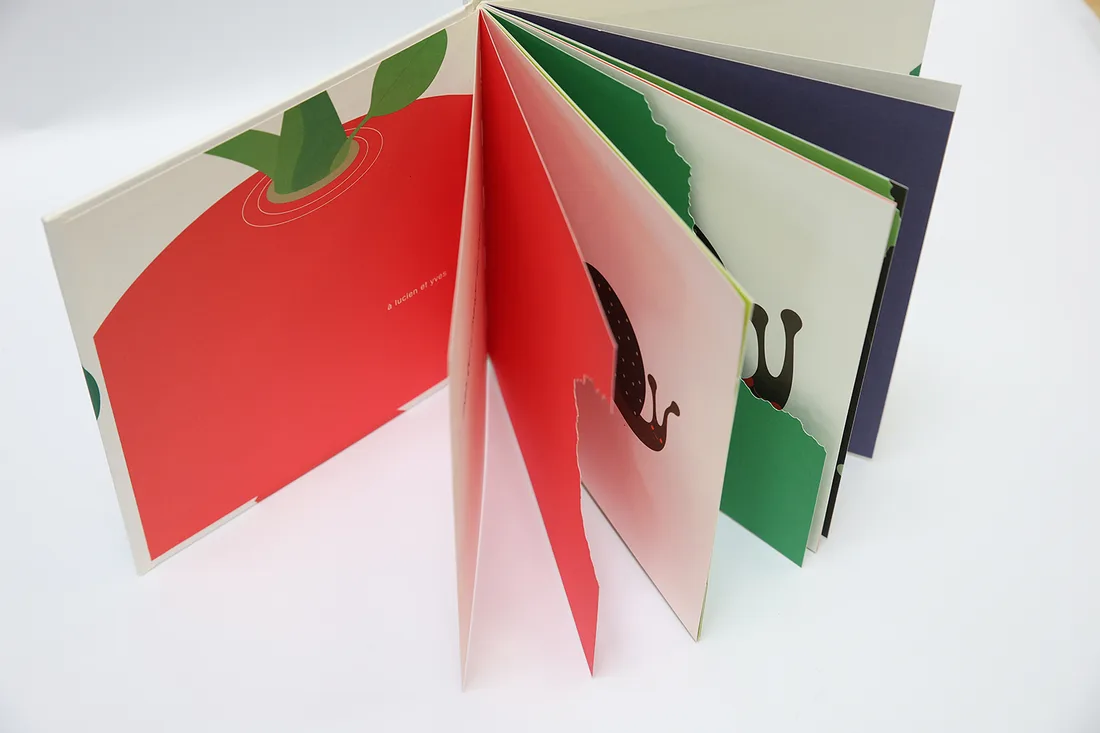
3D EFFECTS IN BOOKS
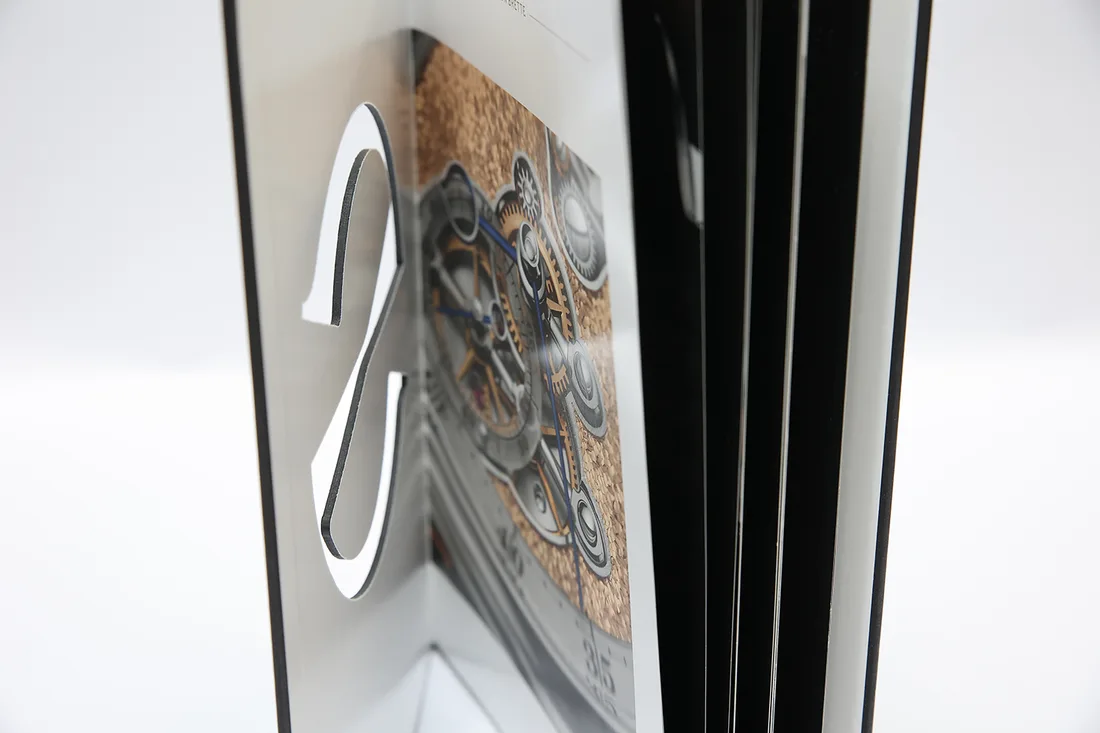
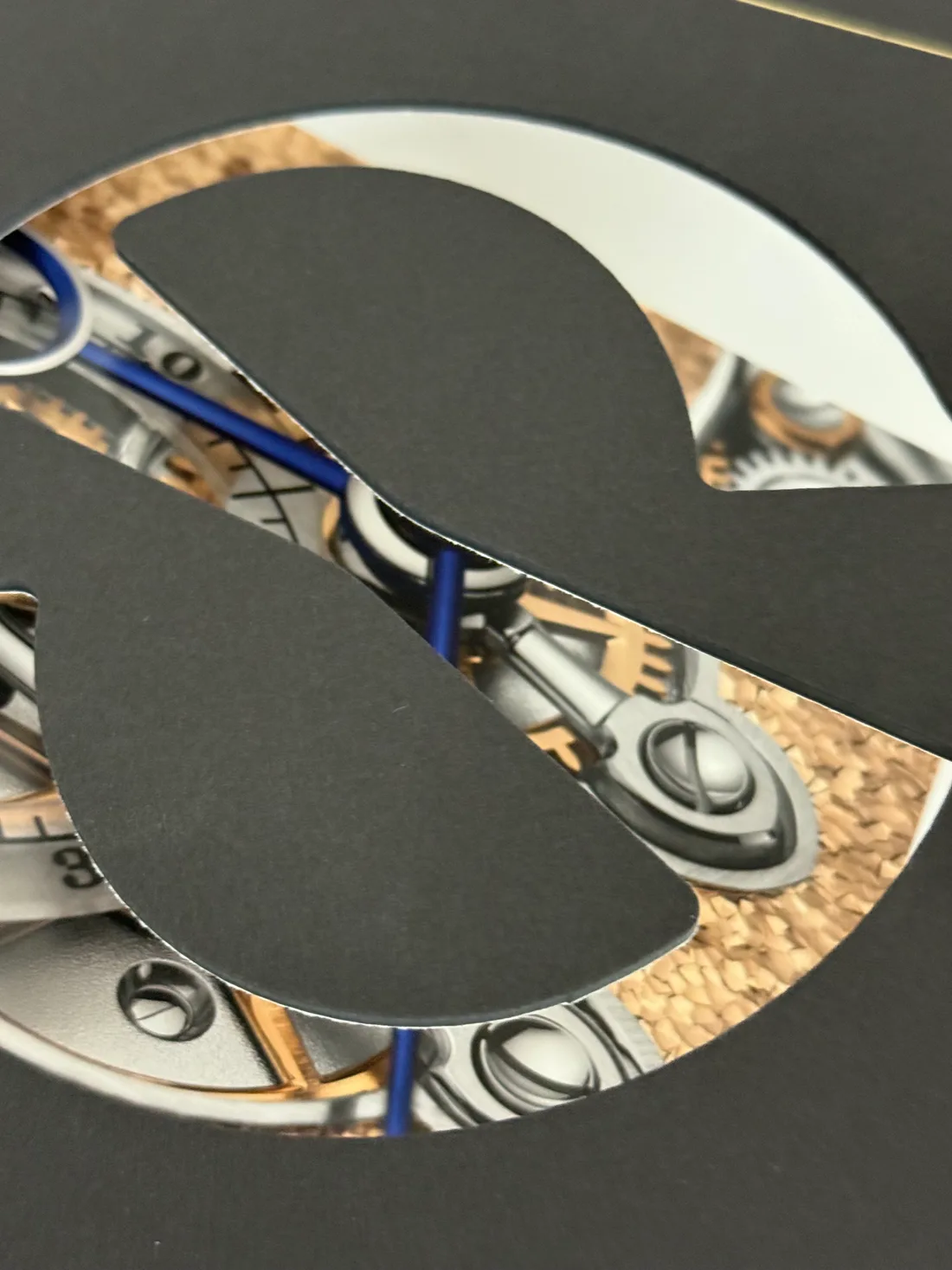
On or into the final product, 3D effects can be applied that emphasise the book's focus – e.g. a bullet hole, a bitten corner, etc.
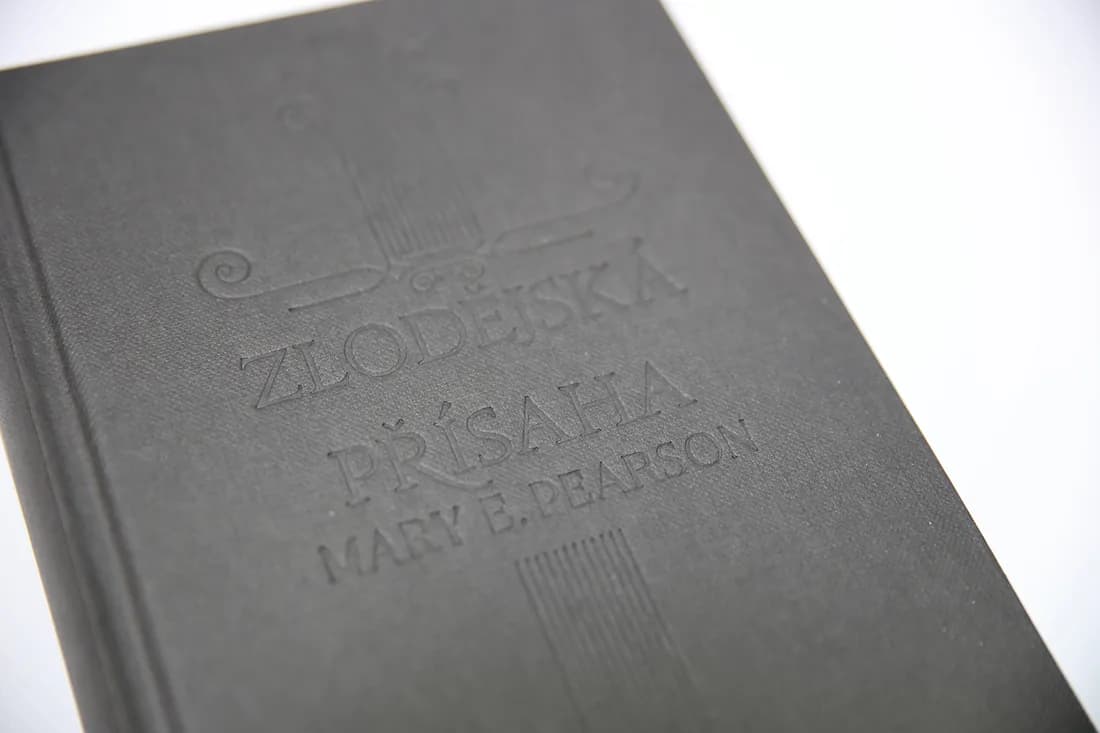
UNCONVENTIONAL MATERIALS FOR COVERS
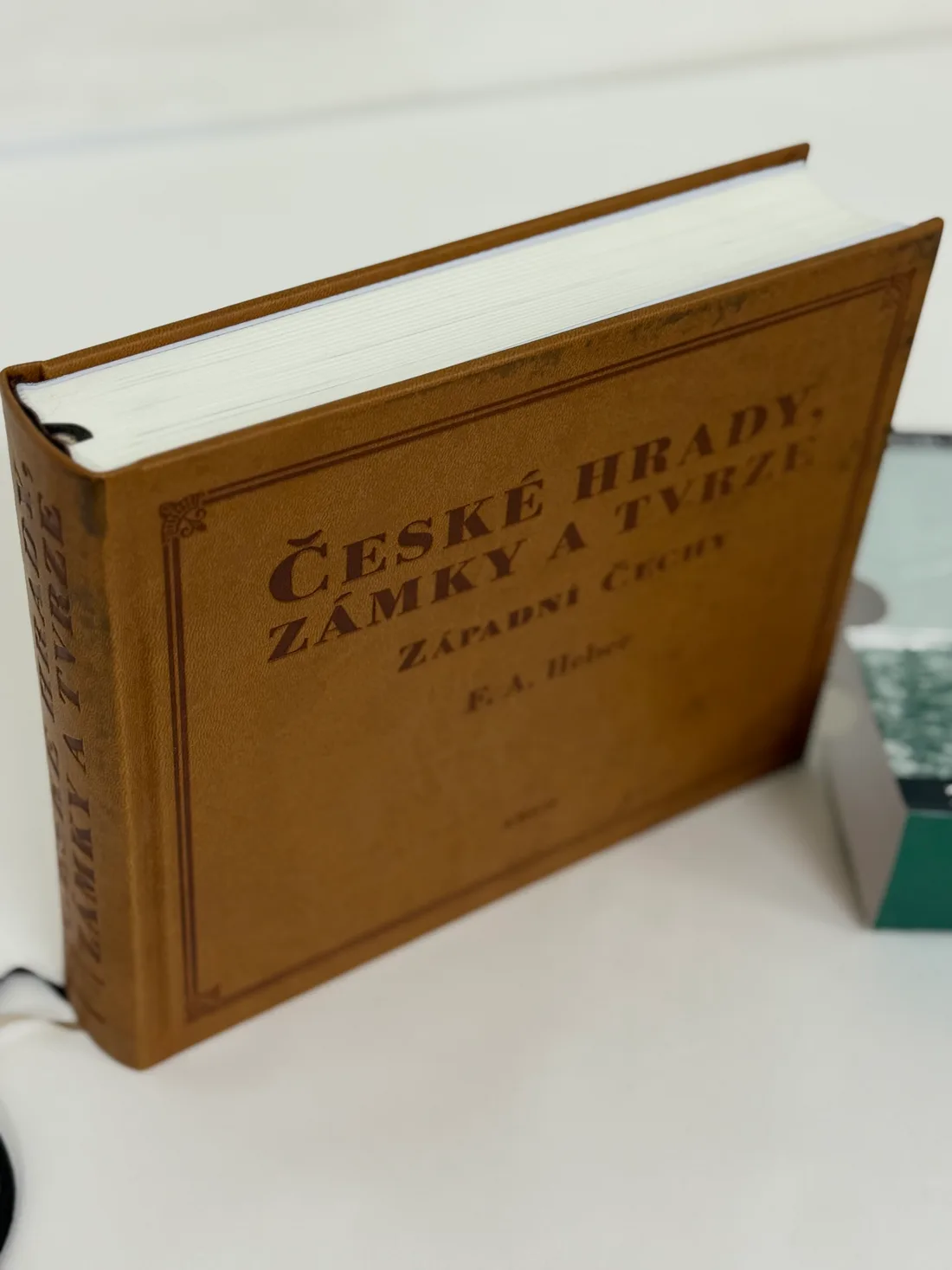
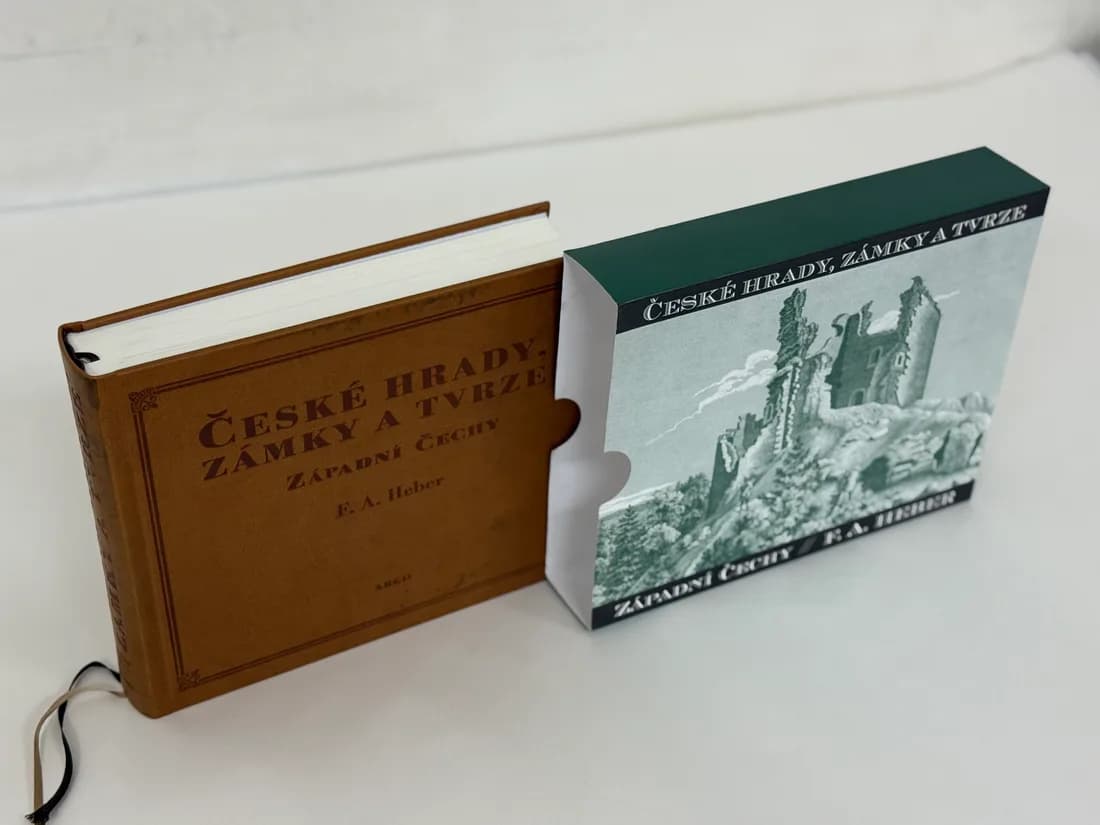
Cork, textiles, wood, metal-imitating material, special papers/boards with a unique surface finish – these materials can form the cover or boards of a book. The classic book, which we have known for hundreds of years, thus gets a completely new and modern look.
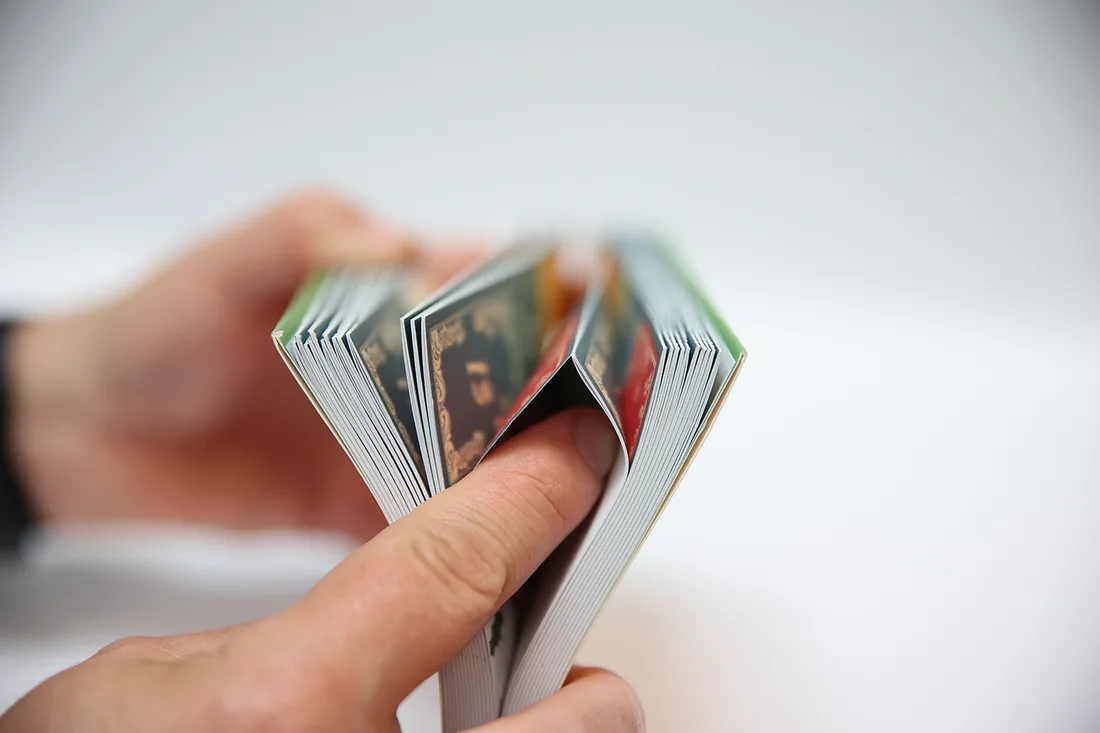
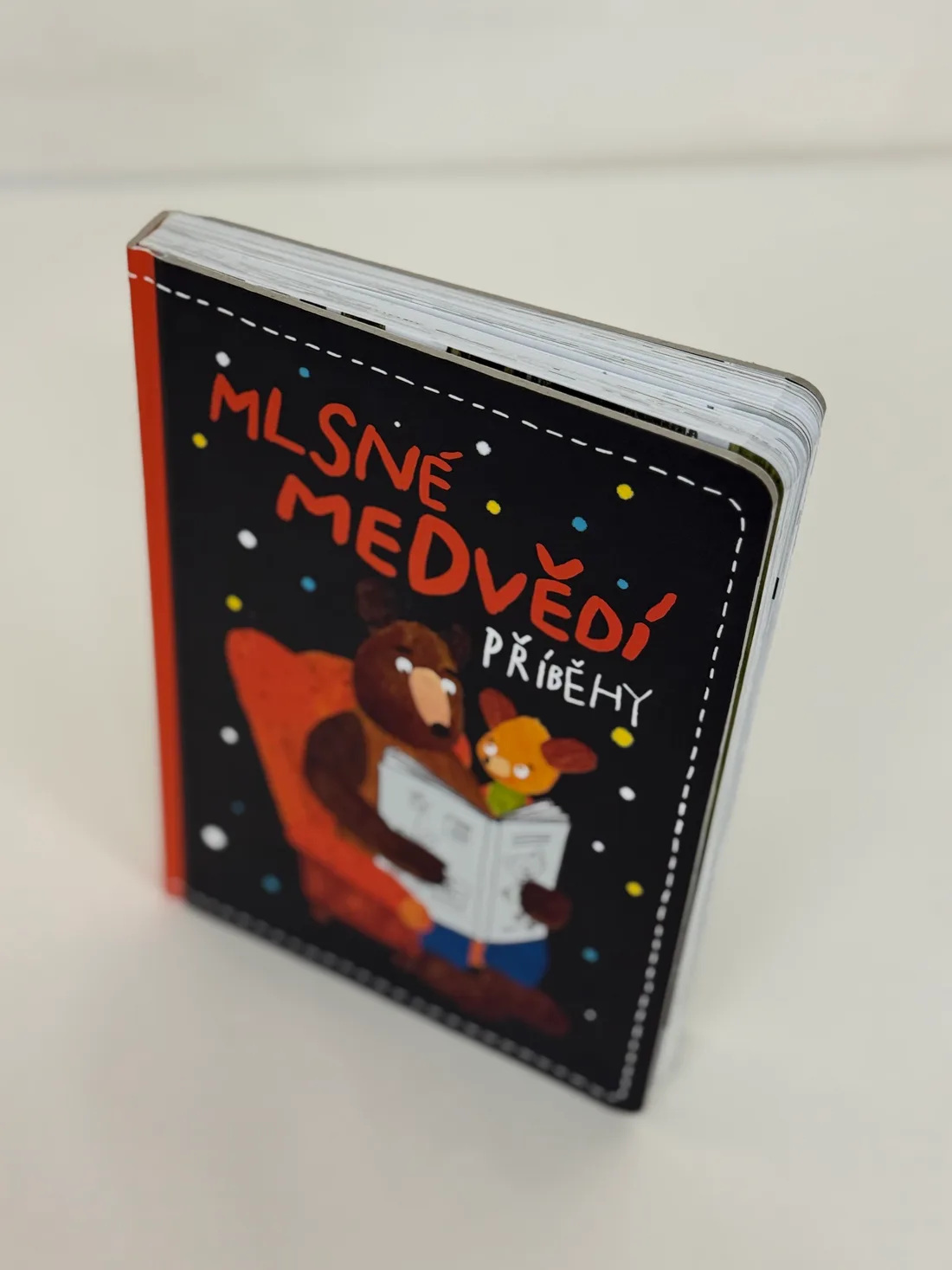
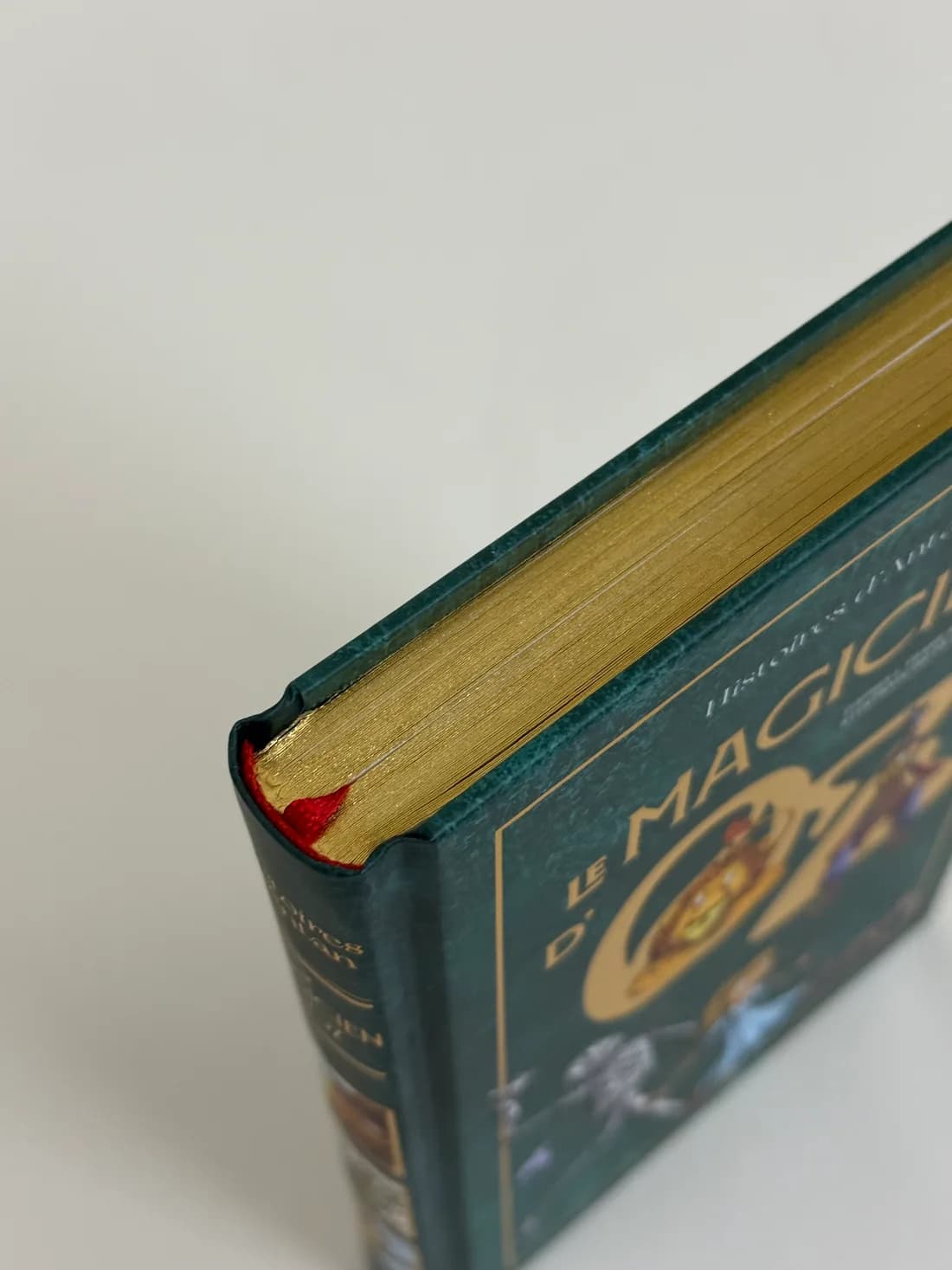
BOOKBINDING SPECIALITIES
This processing category includes well-known but not very widespread techniques such as thumb index cuts, rounded corners on hardcovers, as well as bookbinding freestyle, which temporarily forgets industry principles – this includes e.g. sewing with coloured thread, binding of reversed sections, book covers without a spine strip, etc.