
Services
CUSTOM FINISHES
Finishing methods serve both to protect printed materials and to increase their attractiveness to readers. At TNM PRINT, we are able to apply a wide range of finishing elements and materials on our own equipment, which can be combined with each other. Effect finishing methods aim to captivate both visually and haptically. Surveys by renowned institutions clearly prove that the longer a person focuses on a particular object, the more likely they are to purchase it. A great advantage for the customer is that print finishing at TNM can be done from as little as 1 piece, making it possible to evaluate and select the appropriate finishing method before actual production. We apply all of these techniques on our own equipment (including the MGI press) in our own printing house – finishing follows on seamlessly from printing and binding, with no transport and no lost time. Everything under one roof.
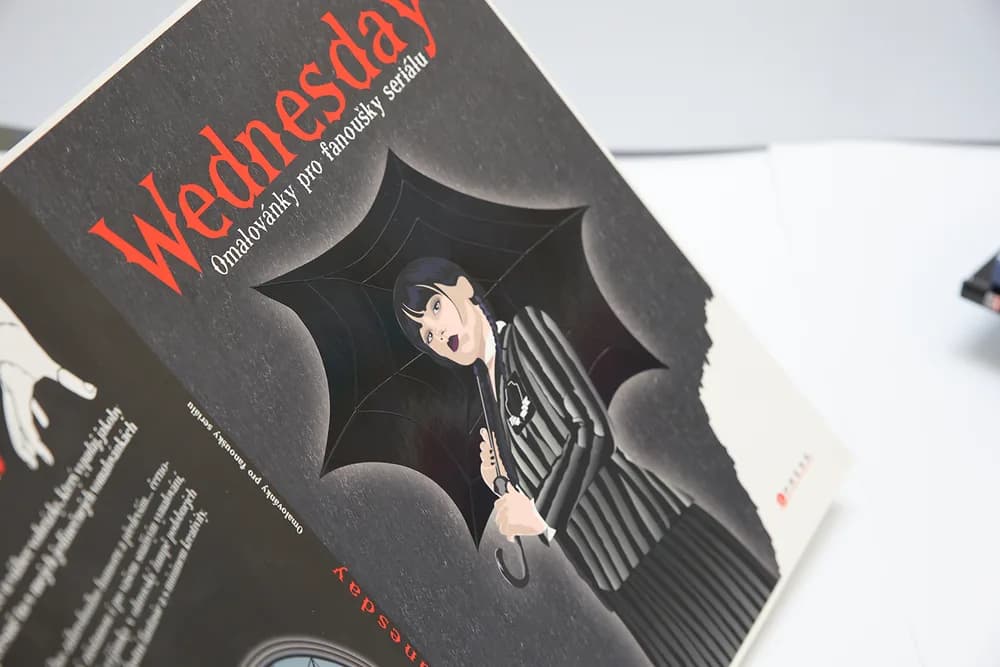
LAMINATION
This is a basic finishing technique. During the lamination process, the printed material (usually a book cover or dust jacket) is coated with a very thin film that protects the product from moisture, grease or dirt. Lamination film can be selected in various surface structures – the most commonly used are glossy, matte or textured surfaces. Lamination is the first choice for covers of books that pass through many hands – children's books, textbooks, cookbooks or exhibition catalogues. Matte film gives the book a velvety, premium look, gloss film brings out the rich colours of photographs, and textured films evoke classic cloth bindings.
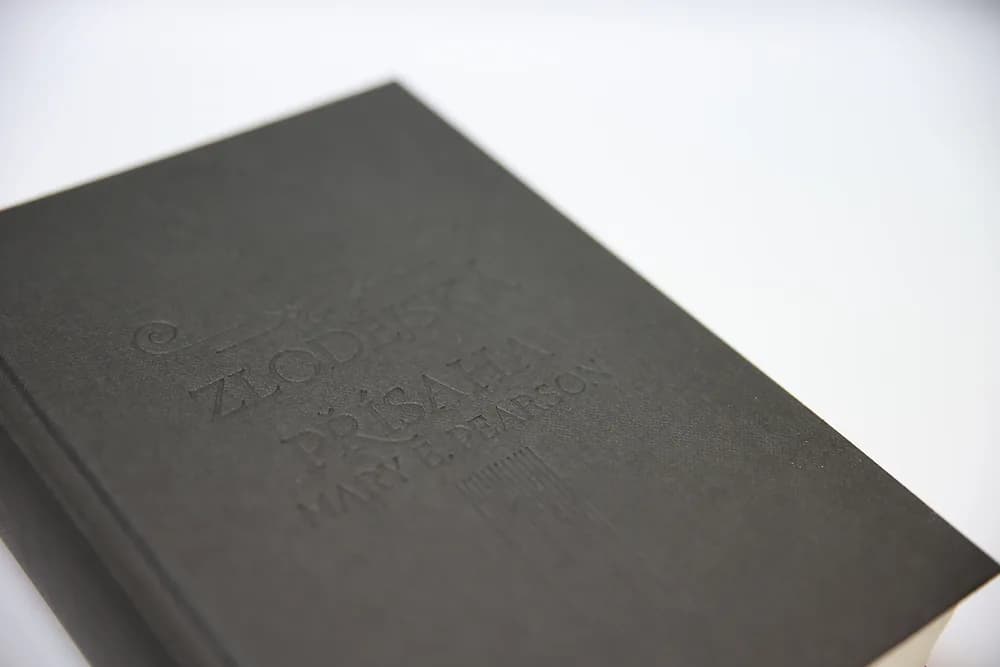
FOIL STAMPING
In foil stamping, a metalised or coloured foil is applied to the print product, or to selected areas – parts of an image or text – either in 2D or 3D. 3D relief stamping is used e.g. on book covers, where the finished area is pressed into the book board. Hot foil stamping – in gold, silver or colour – is a classic of premium publications. We also carry out stamping without foil, known as blind embossing, whose subtle relief comes into its own on textured papers and cloth. Both techniques combine beautifully with spot UV varnish.
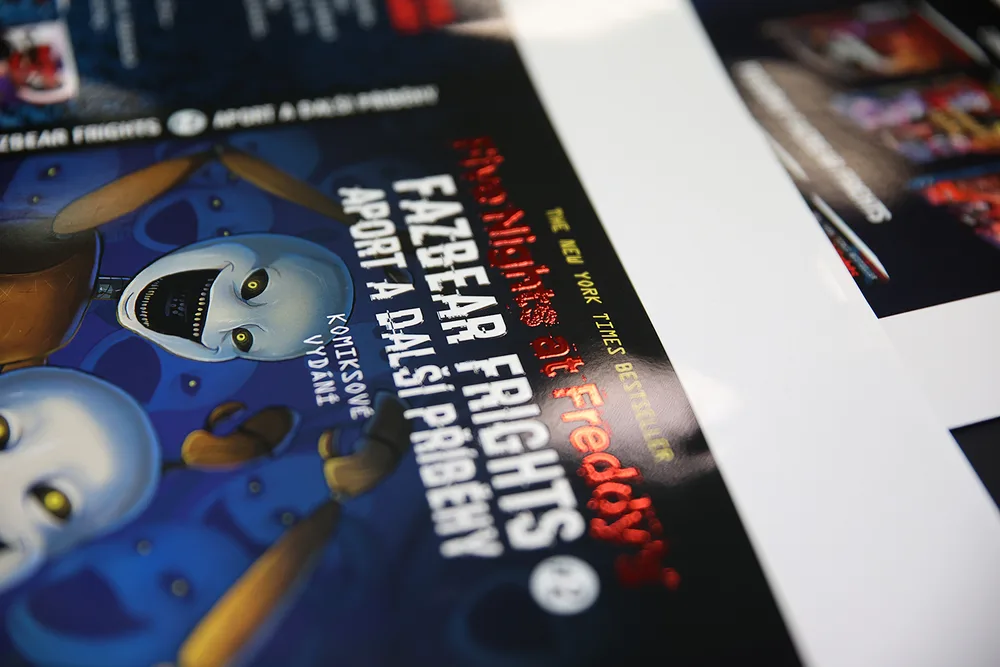
EFFECT FOILS
When applying 2D foils, it is not necessary to limit yourself to single-colour patterns. Our MGI machine can also apply metalised foils with interesting patterns and structures. Holographic and textured foils work brilliantly on the covers of young adult titles, fantasy editions or limited runs – wherever a book should literally shine on the shelf.
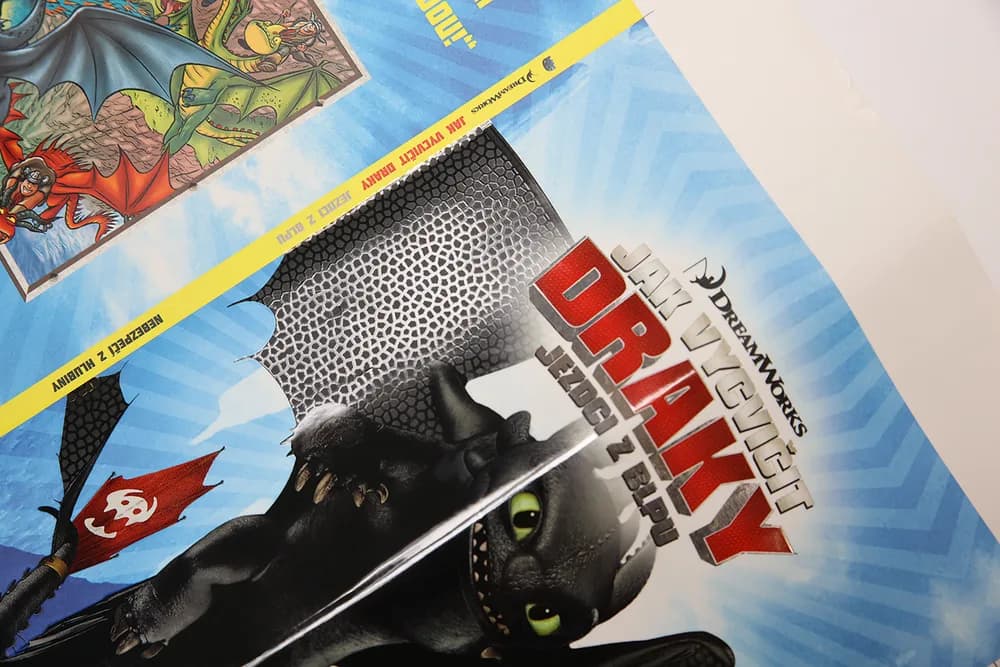
2D VARNISHING
Printed materials can be coated with transparent UV varnish, either over the entire surface or partially. Partial varnishing placed on specific objects or texts highlights these elements. The effect can be enhanced e.g. by combining a matte base with glossy spot varnish. Spot UV varnish is the most sought-after technique for highlighting a title, illustration or photograph on a cover – the combination of matte lamination and gloss varnish works reliably for fiction and specialist publications alike.
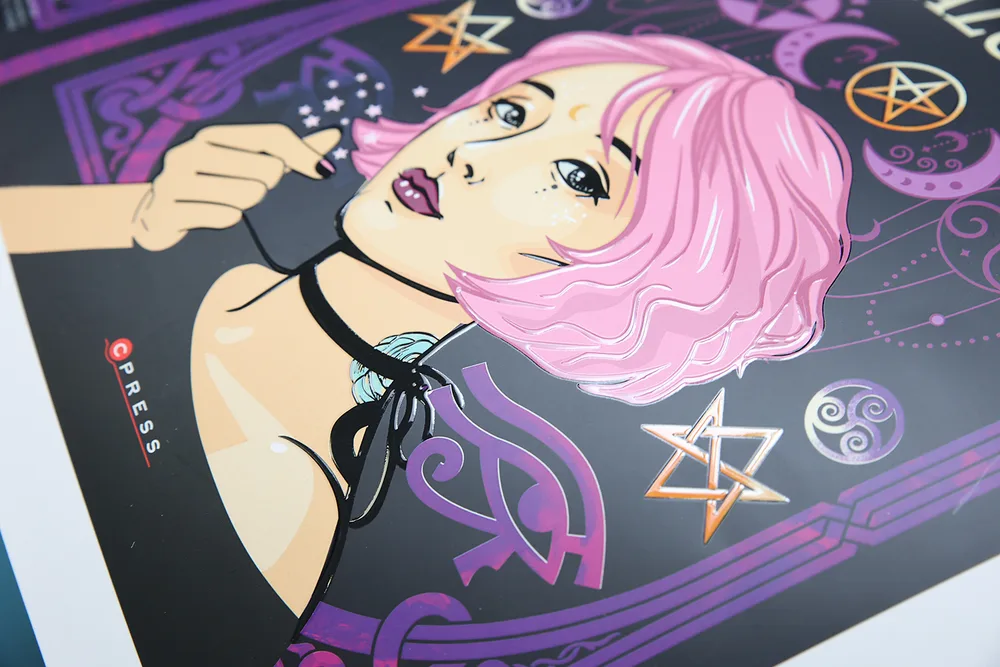
3D VARNISHING
In 3D varnishing, spot varnish is applied in layers, creating a plastic, relief surface that can be felt with the fingers. The aim of this technique is to create an interesting effect that engages another sense besides sight – touch. Relief varnish turns a cover into a tactile experience – readers pick the book up and are reluctant to put it down. It works superbly on natural motifs (water drops, bark texture), bold typography and art publications. We produce a sample from a single copy, so you can judge the effect before the print run.
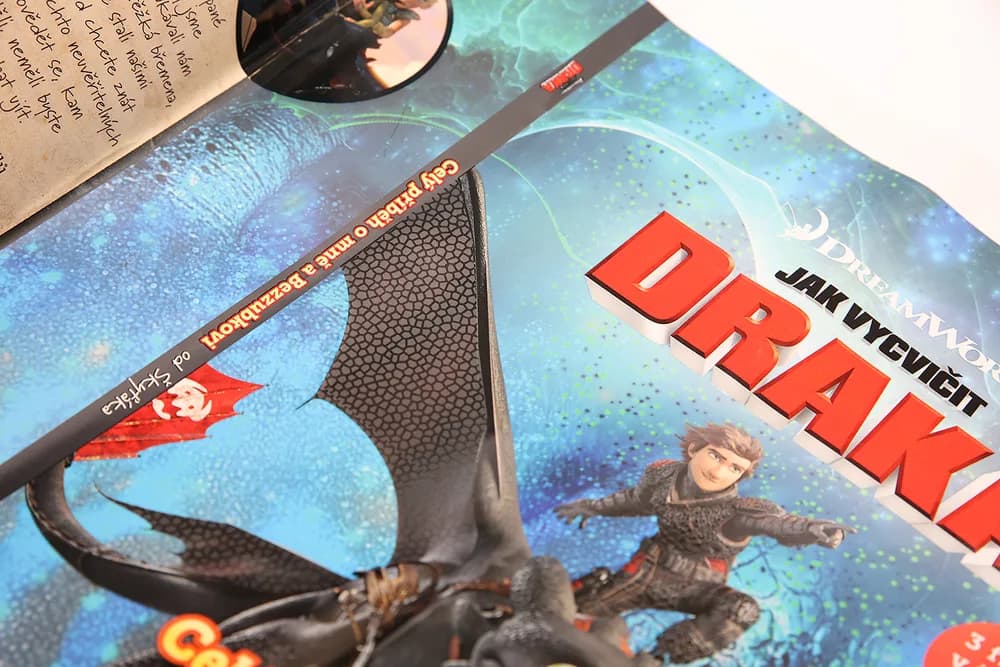
SPECIAL FILL STRUCTURES
Using the MGI machine, varnish can be applied not only partially or over the entire surface, but it is also possible to apply special graphic effects such as wood surface, sand, snowflakes and many others. Textured varnishes can tie the cover to the subject of the book – a travel guide with a sand texture, a winter story with snowflakes, a book about wine with an imitation cork finish. A detail the reader remembers.
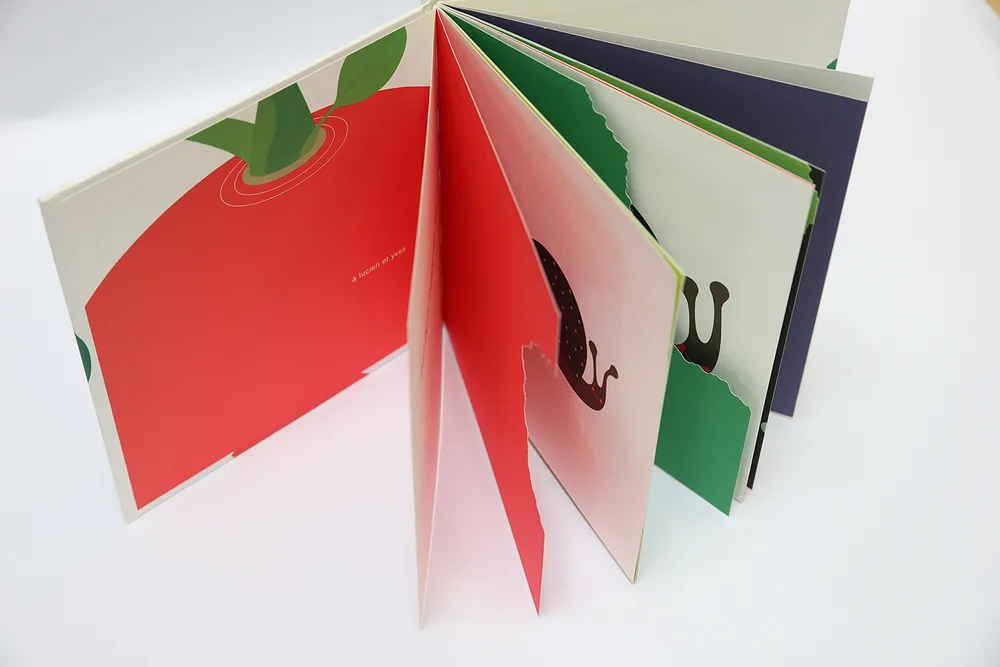
DIE-CUTTING
A book can be provided with a die-cut in any shape into the cover or even into the book block. Die-cutting comes into play wherever a book should stand out – a window revealing the illustration beneath the cover, a shaped children's board book or a practical thumb index. Technically, we can die-cut through the entire book block.